
In a world overflowing with information, visual creativity stands out like a neon sign in a sea of gray. It’s not just about pretty pictures; it’s the secret sauce that spices up communication and captures attention. Whether it’s a quirky infographic or a stunning piece of digital art, visual creativity transforms mundane ideas into unforgettable experiences.
Understanding Visual Creativity
Visual creativity plays a critical role in effectively conveying information in today’s media landscape. This form of creativity enhances communication while making complex ideas more accessible.
Definition and Importance
Visual creativity refers to the ability to generate ideas that involve images, colors, and shapes in innovative ways. It enhances storytelling by transforming abstract concepts into engaging visual formats. Importance resides in its capacity to attract attention in a cluttered digital environment. Research indicates that visual content is processed 60,000 times faster than text, indicating its critical role in learning and retention. Overall, visual creativity not only captures interest but also facilitates better understanding.
Key Components of Visual Creativity
Several key components characterize visual creativity. Color selection influences mood and emphasis in designs. Composition allows for balance and focus, guiding the viewer’s eye. Typography enhances readability and expression, infusing personality into designs. Additionally, imagery integrates context, making ideas relatable. Each component works together to create an impactful visual message that effectively communicates ideas. Understanding these components enables creators to maximize their visual impact.
The Role of Visual Creativity in Art
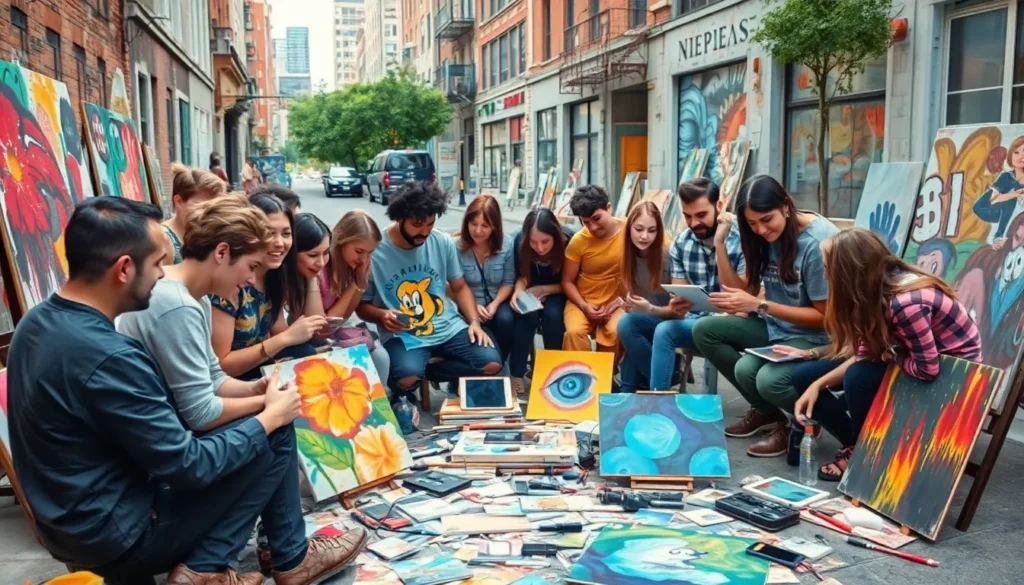
Visual creativity significantly influences the field of art, shaping how artists communicate ideas and emotions. Understanding its impact provides insight into both historical and contemporary artistic expressions.
Historical Perspectives
Art history reveals a rich tapestry woven from various movements that embraced visual creativity. The Renaissance marked a shift as artists like Leonardo da Vinci skillfully blended observation and imagination, enhancing realism and depth. Impressionism further transformed visual creativity through its unique color use and brushwork, focusing on light and perception. Surrealism introduced dream-like imagery, merging reality with imagination, allowing artists to express subconscious thoughts. Each movement illustrates how visual creativity is intertwined with cultural shifts, reflecting societal values and technological advancements.
Contemporary Trends
Contemporary art showcases diverse expressions of visual creativity, driven by advances in technology and changing cultural landscapes. Digital art emerges as a dominant form, utilizing software to create visual experiences that engage audiences. Mixed media art combines traditional techniques with innovative elements, emphasizing the interplay between various materials and methods. Street art challenges conventional boundaries, often incorporating vibrant visuals to convey powerful messages in public spaces. Artists now prioritize accessibility and inclusivity, broadening the definition of visual creativity to encompass a range of perspectives and experiences, ultimately reshaping how art interacts with society.
Visual Creativity in Design
Visual creativity significantly impacts design, serving as a vital tool for effective communication and engagement. Various design fields utilize this creativity to generate innovative solutions that resonate with audiences.
Graphic Design Applications
Graphic design extensively employs visual creativity to communicate messages effectively. Designers utilize elements like color, typography, and imagery to create eye-catching layouts. Infographics emerge as critical tools, presenting complex information in digestible formats. Research indicates that graphics increase information retention by up to 65%. Brands leverage visual identity to establish recognition and foster emotional connections with consumers. Understanding target audiences enables designers to craft messaging that resonates, making graphic design an essential aspect of marketing.
Product Design Innovations
Product design embraces visual creativity, shaping user experiences and functionality. Designers integrate aesthetics and practicality, ensuring products not only look good but also serve their purpose. Innovative materials and sustainable practices underscore today’s designs, reflecting environmental consciousness. Interactive elements in product design enhance usability and engagement, appealing to user preferences. Companies increasingly prioritize user feedback during the design process, fostering products that align with consumer needs and desires. This approach leads to products that stand out in competitive markets, driven by a commitment to visual creativity.
Encouraging Visual Creativity
Fostering visual creativity involves applying specific techniques and engaging in exercises. Daily sketching can enhance artistic skills, while experimenting with color combinations sparks inspiration. Utilizing design apps encourages creativity through immediate feedback. Participating in brainstorming sessions promotes a flow of ideas, generating innovative concepts. Engaging in collaborative projects builds team dynamics, allowing for diverse perspectives and unique approaches. Analyzing existing visuals offers insights into effective styles and compositions, refining one’s creative abilities.
Creating collaborative environments significantly boosts visual creativity. Teamwork brings together varied skills, enriching the creative process. Group critiques foster constructive feedback, helping individuals grow and adapt their ideas. Setting up open workspaces encourages spontaneous discussions, igniting innovative solutions. Scheduling regular creative workshops keeps everyone engaged, establishing a culture of continuous learning. Incorporating diverse backgrounds and disciplines enhances collective creativity, paving the way for groundbreaking projects. Prioritize inclusivity and openness to support the evolution of visual creativity within teams.
Challenges in Visual Creativity
Visual creativity faces numerous challenges that can hinder its full potential. Identifying these obstacles facilitates the development of effective solutions.
Common Obstacles
Limited resources often restrict access to necessary tools and materials. Time constraints can stifle the creative process, making it difficult to experiment with ideas. Fear of criticism frequently prevents individuals from sharing their work, undermining confidence. Additionally, a lack of diverse perspectives can lead to repetitive ideas, diminishing originality. Stagnation from comfort zones may result in overlooking innovative concepts or trends.
Strategies for Overcoming Barriers
One effective strategy involves setting aside dedicated time for creative exploration. Embracing feedback from peers fosters a supportive environment where ideas can flourish. Utilizing online platforms increases access to resources and inspiration. Collaboration with diverse teams sparks fresh ideas and perspectives. Regularly engaging in workshops promotes skill development and adaptability. Leveraging design applications provides immediate feedback, enhancing creative confidence. Prioritizing open-mindedness within teams encourages experimentation and innovation, paving the way for groundbreaking visual creativity.
Visual creativity stands as a vital force in today’s information-driven world. Its ability to transform ideas into engaging and memorable experiences cannot be overstated. By harnessing the power of color, composition, and imagery, creators can effectively communicate complex messages and foster deeper connections with their audiences.
As technology continues to evolve, so does the landscape of visual creativity. Artists and designers must adapt to new tools and trends while remaining committed to inclusivity and accessibility. Embracing diverse perspectives and collaborative environments will further enhance the potential of visual creativity.
Ultimately, the journey of visual creativity is one of exploration and innovation. By overcoming challenges and nurturing creative skills, individuals and teams can unlock new possibilities and create impactful visual narratives that resonate in a crowded digital space.


