
In a world where creativity reigns supreme, having a toolkit of creative skills can set anyone apart from the crowd. From crafting compelling stories to designing eye-catching visuals, these skills not only spark joy but also open doors to endless opportunities. Imagine being the person who can turn a mundane presentation into a captivating masterpiece—sounds like a superpower, right?
Understanding Creative Skills
Creative skills encompass a variety of abilities that enable individuals to generate innovative ideas and express them effectively. These skills include problem-solving, storytelling, and design. They’re essential not only for personal fulfillment but also for professional development.
Creativity manifests in different forms. Artists utilize visual and performing arts to convey messages. Writers craft compelling narratives that captivate audiences. Designers create visually appealing layouts that enhance user experience. Each discipline relies on unique creative strengths.
Effective communication represents another crucial aspect. It involves not only articulating ideas clearly but also understanding and connecting with others. Good communicators engage audiences through persuasive language and relatable content. They translate complex concepts into accessible formats.
Collaboration plays a pivotal role in fostering creativity. Team environments often spark inspiration through diverse perspectives. Innovators frequently combine ideas to produce groundbreaking solutions. Successful partnerships leverage individual strengths to achieve common goals.
Adaptability marks a key characteristic of creative individuals. They embrace change and view challenges as opportunities for growth. Flexible minds can pivot when necessary and explore alternative routes to achieve objectives. Often, they thrive in dynamic environments that require quick thinking.
Lastly, creative skills contribute significantly to career advancement. Employers frequently seek candidates who demonstrate innovative thinking and the ability to approach problems from unique angles. Individuals who cultivate their creative talents often find greater job satisfaction and expand their professional networks.
Types of Creative Skills
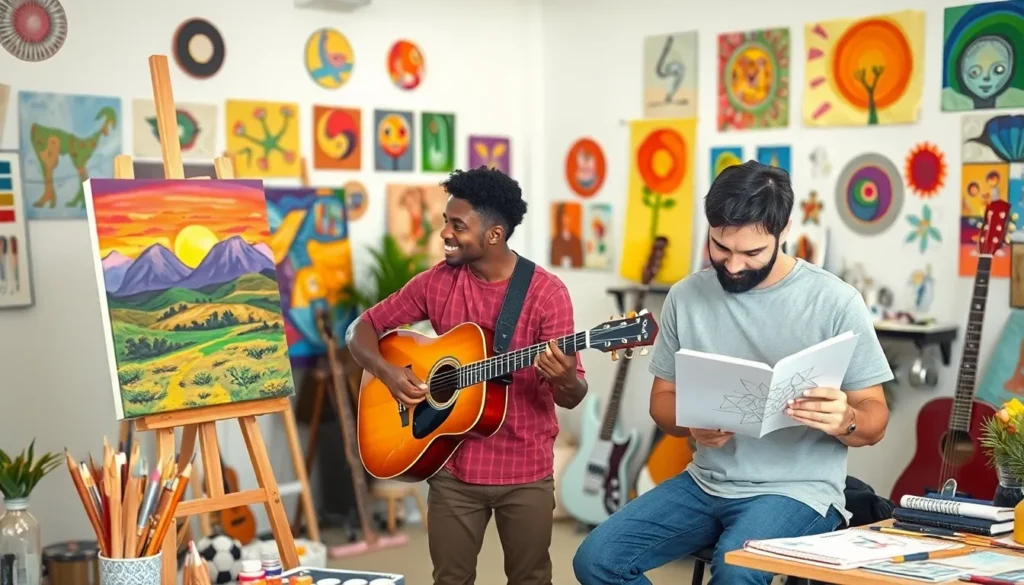
Creative skills encompass a range of abilities that enhance personal expression and professional effectiveness. Three primary categories of creative skills include artistic skills, communication skills, and problem-solving skills.
Artistic Skills
Artistic skills include various abilities related to visual arts, music, and performance. Individuals often engage in painting, sculpture, photography, or crafting to convey emotions and ideas. Musicians exploit their talents through performance and composition, creating memorable experiences. Filmmakers use their artistic skills to tell stories and evoke feelings through visuals and sound. Graphic designers shape visual content, ensuring effective communication through aesthetics. Many artists combine different forms of expression to enhance their overall impact and communicate complex messages.
Communication Skills
Communication skills play a vital role in conveying thoughts and ideas effectively. Verbal communication encompasses public speaking, storytelling, and engaging dialogue. Skilled communicators tailor their messages to suit various audiences, enhancing clarity and impact. Written communication also carries weight, as crafting compelling narratives and persuasive arguments fosters connection. Non-verbal communication, including body language and facial expressions, further enriches interactions. Overall, effective communication skills foster collaboration and unity, essential in both personal and professional contexts.
Problem-Solving Skills
Problem-solving skills enable individuals to address challenges creatively and effectively. Critical thinking allows creative thinkers to analyze situations, identify obstacles, and develop innovative solutions. Collaborative efforts also enhance problem-solving, as diverse perspectives contribute to finding unique approaches. Creative individuals often think outside the box, applying unconventional methods to overcome difficulties. Resourcefulness further strengthens problem-solving abilities, allowing individuals to leverage available tools and adapt to changing circumstances. These skills not only resolve issues but also drive personal growth and professional success.
Real-World Applications of Creative Skills
Creative skills play a crucial role in various aspects of life, influencing both work and personal endeavors. These skills lead to innovative solutions and expressive projects.
Example in the Workplace
In business environments, employees frequently use creative skills to enhance collaboration. Designers craft visually appealing presentations, making data easier to comprehend. Marketing teams generate engaging content, capturing audience interest and driving brand loyalty. Innovative problem-solving approaches enable teams to tackle challenges efficiently. Managers encourage brainstorming sessions, fostering an atmosphere where diverse ideas contribute to project success. Organizations that prioritize creativity often report increased employee satisfaction and productivity.
Example in Personal Projects
Personal projects benefit immensely from creative skills as well. Writers express their unique perspectives through storytelling, developing narratives that resonate with readers. Artists explore various mediums, transforming concepts into tangible artworks. DIY enthusiasts apply innovative techniques to home improvement projects, creating functional and aesthetically pleasing spaces. Crafting personal blogs or social media content allows individuals to showcase their creativity and connect with others. Pursuing hobbies such as photography or music can also lead to fulfilling expressions of artistic talents.
Developing Creative Skills
Creative skills can be developed through specific techniques and tools. Experimentation often serves as the foundation for enhancing creativity.
Techniques to Enhance Creativity
Incorporating mindfulness practices boosts creative thinking. Taking breaks during tasks provides fresh perspectives. Engaging in brainstorming sessions stimulates idea generation. Developing a routine that includes regular creative exercises encourages exploration. Exploring diverse experiences can spark inspiration, leading to innovative solutions. Observing nature, art, or different cultures often opens the mind to new possibilities. Regularly challenging oneself with new skills fosters growth in creativity.
Tools for Fostering Creative Skills
Utilizing digital platforms can significantly help develop creative skills. Graphic design software like Adobe Creative Suite enables artists to create stunning visuals. Project management tools foster collaboration among teams, enhancing idea sharing. Creative writing apps facilitate the writing process, offering prompts and inspiration. Online courses provide structured learning for various creative fields, increasing skill levels. Networking platforms connect creatives, allowing for collaboration and feedback. Multimedia applications invite users to experiment with sound, visuals, and text, encouraging innovative thinking.
Creative skills are invaluable assets that can elevate both personal and professional experiences. They empower individuals to express themselves uniquely and tackle challenges with innovative solutions. Embracing creativity fosters collaboration and adaptability which are essential in today’s dynamic environment.
By honing these skills through practice and exploration, individuals can unlock new opportunities and enhance their career prospects. Whether through artistic expression or effective communication, the ability to think creatively is a superpower that can set one apart in any field. Engaging in creative pursuits not only enriches lives but also builds connections with others, making creativity an essential component of a fulfilling life.


