
In a world dominated by screens and schedules, creative play is the secret ingredient that spices up childhood. It’s not just about building castles in the air or pretending to be a superhero; it’s the magical realm where imagination runs wild and problem-solving skills take flight. Who knew that a simple cardboard box could transform into a spaceship, a fort, or even a time machine?
What Is Creative Play?
Creative play refers to activities that enable children to express themselves through imagination and exploration. It involves using everyday objects, like cardboard boxes, to construct new worlds, fostering innovation and critical thinking skills. Engaging in creative play offers multiple benefits, including enhanced cognitive development, social skills, and emotional growth.
Different forms of creative play include role-playing, building, drawing, and storytelling. Each activity allows children to explore ideas, test boundaries, and develop problem-solving abilities. Using resources such as sculpting clay or art supplies encourages artistic expression, providing an outlet for emotions.
Outdoor activities also serve as avenues for creative play. Climbing, digging, and running promote physical well-being while stimulating imaginative scenarios. Nature can inspire storytelling and exploration, helping children connect with their environment.
Furthermore, collaborative play enhances social interactions. Children learn to negotiate roles, share resources, and cooperate, leading to stronger friendships and teamwork skills. As they engage in collaborative projects, they develop a sense of belonging and community.
Creative play fosters independence and confidence. As children experiment with different ideas, they learn to make decisions and face challenges. This independence applies to various aspects of their lives, both inside and outside of play.
Creative play encompasses diverse activities that support cognitive, social, emotional, and physical development. Emphasizing its importance offers numerous advantages for children’s growth and learning.
The Importance of Creative Play
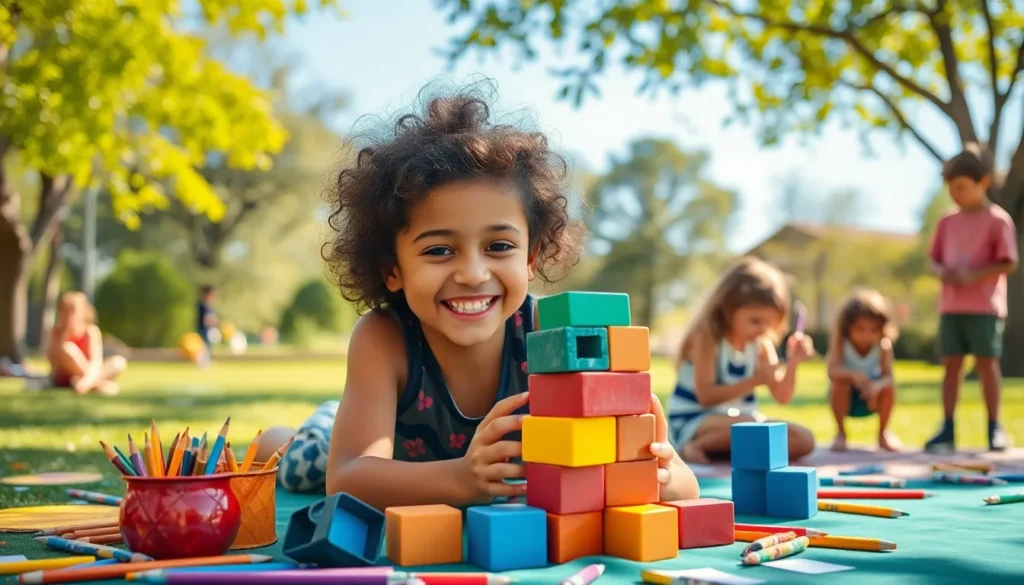
Creative play plays a crucial role in childhood development, serving as a powerful vehicle for growth. It inspires curiosity and encourages children to explore their world.
Benefits for Children
Engaging in creative play fosters imagination, allowing children to envision various scenarios. They develop problem-solving skills while tackling challenges during playtime. Enhanced social skills arise as children interact and collaborate with peers. Emotional growth also occurs, as creative activities help children express feelings and manage frustration. Varied forms of creative play, such as building with blocks or drawing, yield different benefits yet all contribute to holistic development.
Impact on Development
Creative play significantly influences cognitive skills, enhancing critical thinking abilities. It nurtures decision-making skills when children face choices during play. Independence flourishes as children experiment and take initiative. Furthermore, physical activities encourage health and fitness, promoting well-rounded growth. Social interactions during collaborative play strengthen friendships and teamwork, equipping children for future relationships. Overall, these experiences intertwine to support lifelong learning and adaptability.
Types of Creative Play
Creative play manifests in various forms, each contributing uniquely to a child’s development. Below are some key types.
Imaginative Play
Imaginative play involves role-playing scenarios where children create narratives through characters and settings. Often, they use everyday objects, transforming them into tools for storytelling. This form allows children to explore different perspectives and emotions. Social skills are also sharpened as kids collaborate during pretend games. They negotiate roles, fostering communication and understanding. Imaginative play enhances cognitive flexibility, encouraging innovative thinking.
Artistic Play
Artistic play centers on creativity through various art forms. Drawing, painting, and crafting engage children in self-expression, refining fine motor skills. These activities stimulate imagination and allow exploration of colors, shapes, and textures. Children develop critical thinking as they plan and execute their artistic projects. Art also serves as a medium for emotional expression, enabling them to communicate feelings they might struggle to articulate verbally. Ultimately, artistic play cultivates appreciation for aesthetics and creativity.
Physical Play
Physical play emphasizes movement and bodily engagement, incorporating activities such as running, climbing, or dancing. This type promotes health through exercise while enhancing coordination and strength. Through physical play, children learn about spatial awareness and improve their motor skills. Social interaction occurs as they participate in team sports or group games, fostering teamwork and cooperation. Engaging in active play also boosts confidence and resilience, essential attributes for navigating challenges. Thus, physical play becomes integral to both physical and social development.
How to Encourage Creative Play
Encouraging creative play requires intentional support and resources.
Providing Resources
Access to various materials boosts children’s creativity. Items such as art supplies, building blocks, and costumes inspire imaginative scenarios. A well-stocked space with open-ended resources fosters exploration and innovation. Everyday objects, like cardboard boxes, invite children to think outside the box, transforming them into anything from a spaceship to a fort. Libraries offer books that stimulate storytelling, enhancing narrative skills. Technology, like tablets, provides platforms for creative apps that encourage drawing and interactive games. Parents can also engage children by participating in creative activities, reinforcing collaborative play.
Creating a Safe Space
A safe environment enhances creative expression. Designating an area for play allows children to explore without fear. This space should be free of hazards, promoting physical and emotional safety. Keeping supplies organized invites children to access materials easily, sparking spontaneous creativity. Open dialogue about creative play nurtures comfort, allowing children to express ideas without judgment. Flexibility in the space encourages movement, critical for physical play. A warm, supportive atmosphere fosters confidence, empowering children to experiment and take risks in their creative endeavors.
Creative play is vital for childhood development as it nurtures imagination and fosters essential life skills. By encouraging children to engage in diverse forms of play, parents and caregivers can support their cognitive and emotional growth. Providing the right resources and a safe environment allows children to explore their creativity freely.
The benefits of creative play extend beyond childhood, equipping children with skills that will serve them throughout their lives. As they learn to express themselves and navigate social interactions, they build confidence and resilience. Embracing creative play not only enriches children’s lives but also lays the foundation for a brighter future.


